
NOTE: The Grooming Journal does not recommend products simply for the sake of recommending them. We create buying guides to help you understand your options and make a more informed decision based on your specific grooming concern, needs, and preferences.
The products we feature are not sponsored placements. We select and assess products based on relevant product information, such as ingredients, formulation, materials, specifications, stated purpose, and how well they fit the specific concern or need discussed in the guide.
We do not physically purchase or test the products featured in our guides. Our assessments are based on publicly available product information, manufacturer details, ingredients or materials, specifications, and other relevant evidence.
Some links in our articles may be affiliate links, which means TGJ may earn a commission if you make a purchase through them. This does not influence which products we include or how we assess them.
If we ever feature a sponsored product or sponsored placement, it will be clearly identified as sponsored. Sponsored content will not be presented as an independent, non-sponsored recommendation.
Our goal is simple: we don’t tell you what to buy. We help you understand what you’re buying.
Quick Summary
Choosing sunscreen for oily skin is not just about finding the most matte formula. The right choice depends on reliable UV protection, texture and finish, and how your skin behaves—for example, whether it is acne-prone, sensitive, dehydrated, or combination.
This guide explains what to look for, what to avoid, and how to compare sunscreen formulations based on your specific skin concerns and daily routine.
Choosing sunscreen for oily skin is often reduced to one simple idea: find something lightweight and matte. In practice, that is only part of the decision. How to Choose Sunscreen for Oily skin is really about finding a sunscreen that provides reliable UV protection while fitting your skin’s oiliness, acne tendency, sensitivity, hydration needs, and preferred finish.
Oily skin can also be acne-prone, sensitive, dehydrated, or combination. A sunscreen that feels comfortable on one type of oily skin may feel too drying, too rich, irritating, or uncomfortable on another.
The goal is therefore not to find one universally “best” sunscreen. It is to understand which formulation, texture, finish, UV protection, and supporting ingredients make sense for your particular skin and routine.
This guide breaks down those factors and explains what to look for, what to avoid, and how to compare sunscreen options for oily skin without treating any single product as the answer.
If you haven’t confirmed your skin type recently, it’s worth starting with How to Find Your Skin Type at Home before you shop
Table Of Contents
What is best sunscreen for oily skin?
The best sunscreen for oily skin is one that provides reliable UV protection while feeling comfortable on your skin. Lightweight gels, fluids, and silicone-based formulas may suit many people with oily skin, while those who are acne-prone, sensitive, dehydrated, or combination may need different formulation features.
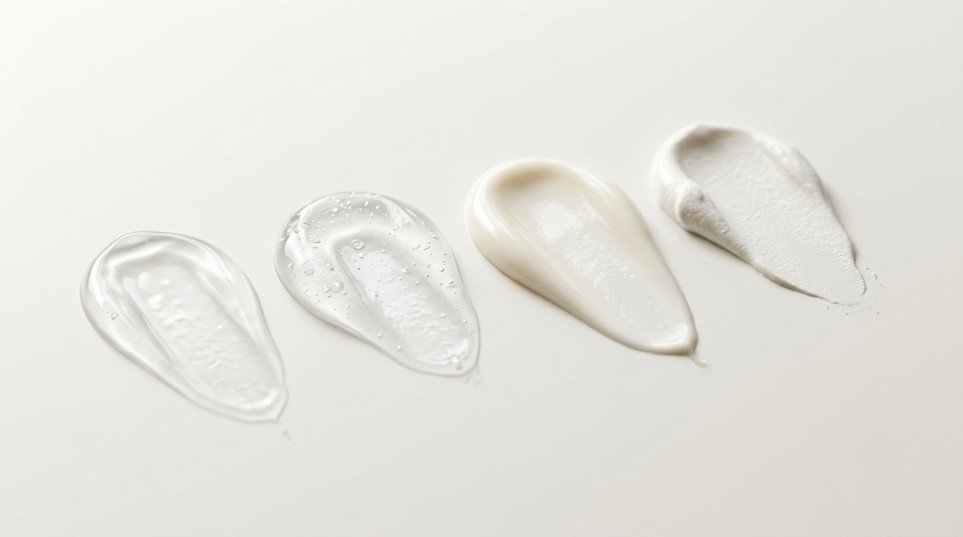
Rather than choosing based on “matte” or “oil-free” alone, consider your skin concerns, texture, finish, UV protection, and overall formula.
How to Choose Sunscreen for Oily Skin
| Concern / User Type | Look For | Avoid / Be Careful With |
|---|---|---|
| Oily + Acne-Prone | Oil-free or non-comedogenic labelling; silicone-gel or gel-cream base; a matte or semi-matte finish | Heavy emollient oils (coconut oil, isopropyl myristate); thick cream bases; added fragrance if breakouts flare easily |
| Oily + Sensitive or Reactive | Mineral filters (zinc oxide, titanium dioxide); fragrance-free formulas; shorter ingredient lists | Benzophenone-3 (oxybenzone) and other chemical filters known to trigger reactions in some users; strongly fragranced formulas |
| Oily + Dehydrated (tight after cleansing) | Lightweight humectants such as hyaluronic acid or glycerin in a gel or “aqua gel” base | Silica-heavy mattifying formulas that can feel drying over repeated use; high-alcohol gels |
| Oily + Prefers Mineral-Only Filters | Labelling that specifies “100% mineral” or zinc oxide as the sole filter; tinted versions to offset white cast | Thicker mineral pastes with no fluid or silicone carrier, which can sit heavily without blending in |
| Oily + Wears Sunscreen Under Makeup or Grooming Products | Fast-absorbing gel or fluid textures; silicone-based finishes that blur pores | Layering multiple humectant-heavy products at once, which can cause pilling |
Additional Practical Guidance
Once you have narrowed down the right type of formula, a few practical details can make a difference in everyday use.
Start with application. A sunscreen only provides the protection stated on its label when enough product is applied, so follow the application directions provided with the formula.
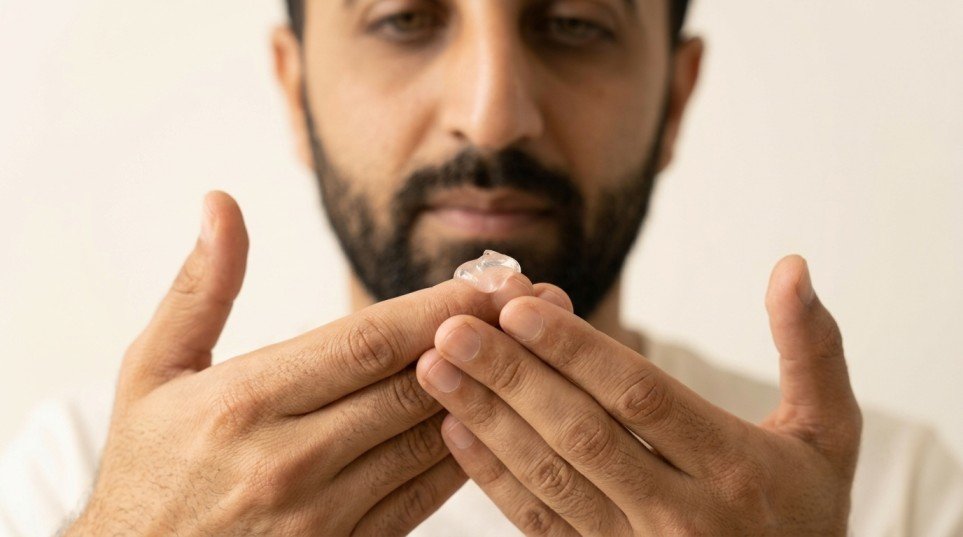
Reapplication also matters, particularly during prolonged outdoor exposure. If you are sweating heavily, swimming, or towel-drying your face, choose a formula that fits those situations and follow its reapplication instructions.
Your sunscreen should also work with the rest of your routine. If you use a moisturizer, makeup, or grooming products, look for a formula that spreads easily and does not repeatedly pill or leave your skin feeling excessively heavy. For help building the rest of an oily-skin routine, see our Best Oily Skincare Routine for Men and Best Moisturizer for Oily Skin for Men.
For regular outdoor exercise or swimming, water resistance can also be worth considering. It does not make a sunscreen waterproof, but it can make the formula more suitable for periods of sweating or water exposure.
Mineral and organic (“chemical”) UV filters can both provide effective UV protection. For oily skin, the overall formulation, texture, finish, and individual tolerance may matter more than the filter category alone.
Finally, pay attention to how your skin responds over time. If a sunscreen repeatedly causes stinging, irritation, or breakouts, the problem may be the particular formula rather than sunscreen itself. Our Best Face Wash for Oily Skin for Men may also help you build a suitable cleansing routine. Persistent or significant reactions should be discussed with a dermatologist.
Products You Can Consider
The formulations below represent different approaches to the same underlying concern — oily skin that needs UV protection without added shine, clogged pores, or irritation. None of these is presented as a universal answer; the right one depends on whether your priority is oil control, hydration, sensitivity, or avoiding chemical filters altogether. They’re arranged from silicone-gel, chemical-filter formulations through to fully mineral, silicone-free ones.
1. IPCA New Acne-UV Advanced (Light Protection Silicone Sunscreen Gel, SPF 50+)
| Key Ingredients → | Zinc Oxide, Titanium Dioxide, Methylene Bis-Benzotriazolyl Tetramethylbutylphenol (Tinosorb M), Diethylhexyl Butamido Triazone, Bis-Ethylhexyloxyphenol Methoxyphenyl Triazine |
| Best For → | Oily, acne-prone skin that responds well to a silicone-gel base with a matte, oil-absorbing finish; those who prefer a pharmacy-formulated, dermatologically tested sunscreen |
| Avoid If → | You know you react to any of the listed ingredients or strongly dislike silicone-based textures |
| See Full Ingredient List → | Truemeds.in |
IPCA Acne-UV Advanced is a lightweight silicone-gel sunscreen designed with oily and acne-prone skin in mind. Its gel-based texture is suited to readers who prefer a less cream-like sunscreen with a lighter, smoother feel during daily use.
Check Price & Latest Deal ➞
2. Isntree Hyaluronic Acid Watery Sun Gel (SPF 50+ PA++++)
| Key Ingredients → | 8 forms of Hyaluronic Acid, Niacinamide, Ceramide NP, Centella Asiatica Extract, Houttuynia Cordata Extract, Bis-Ethylhexyloxyphenol Methoxyphenyl Triazine |
| Best For → | Oily skin that also feels tight or dehydrated after cleansing; those who want a fragrance-free, all-chemical-filter formula with a watery texture that layers easily under makeup or a beard balm |
| Avoid If → | You’re specifically trying to move away from chemical UV filters, or your skin has reacted to multi-filter chemical sunscreens before |
| See Full Ingredient List → | Skinsort.com |
Isntree Hyaluronic Acid Watery Sun Gel uses a lightweight, watery formulation aimed at combining daily UV protection with a more hydrated skin feel. It can be relevant for oily skin that also feels tight or dehydrated, particularly for readers who prefer a fluid, less heavy sunscreen texture.
Check Price & Latest Deal ➞
3. The Derma Co 1% Hyaluronic Sunscreen Aqua Gel (SPF 50 PA++++)
| Key Ingredients → | Sodium Hyaluronate, Niacinamide, Methylene Bis-Benzotriazolyl Tetramethylbutylphenol, Butyl Methoxydibenzoylmethane, Terephthalylidene Dicamphor Sulfonic Acid |
| Best For → | Normal-to-oily and blemish-prone skin wanting a hybrid mineral-chemical formula with added hydration in a lightweight aqua-gel texture |
| Avoid If → | Your skin is reactive to benzophenone-3 (oxybenzone), a recognised photoallergen for some users, or you’re deliberately avoiding oxybenzone-containing sunscreens |
| See Full Ingredient List → | Apollopharmacy.in |
The Derma Co 1% Hyaluronic Sunscreen Aqua Gel uses a lightweight aqua-gel format designed to provide daily UV protection with a less heavy skin feel. It may suit oily or blemish-prone skin for readers who prefer a lightweight sunscreen with added hydration.
Check Price & Latest Deal ➞
4. Qurez 100% Mineral Sunscreen (SPF 50 PA+++)
| Key Ingredients → | Zinc Oxide (38%), Glycerin, Vitamin E (Tocopheryl Acetate), Thermus Thermophillus Ferment, Diethylhexyl Syringylidene Malonate |
| Best For → | Oily and sensitive or reactive skin wanting to avoid chemical UV filters entirely, in a silicone-based fluid designed to offset the thickness typical of mineral-only formulas |
| Avoid If → | You’d prefer a fully silicone-free mineral formula, or your skin doesn’t tolerate silicones well |
| See Full Ingredient List → | Incidecoder.com |
Qurez 100% Mineral SPF50 uses a mineral UV-filter approach in a silicone-based formula with a lightweight, smooth texture. It is relevant for oily skin users who specifically prefer a mineral sunscreen and want to avoid organic UV filters.
Check Price & Latest Deal ➞
5. Gabit 100% Mineral Sunscreen (SPF 50+)
| Key Ingredients → | Zinc Oxide, Glycerin, Silica, Avena Sativa (Oat) Extract, Lactobacillus Ferment Lysate, Tocopherol |
| Best For → | Sensitive, reactive, or acne-prone skin looking for a silicone-free, botanical-forward mineral sunscreen |
| Avoid If → | You want a fast-absorbing, strongly mattifying finish — silicone-free mineral formulas can sit heavier through the day on very oily skin |
| See Full Ingredient List → | Incidecoder.com |
Gabit 100% Mineral SPF50+ uses zinc oxide as its mineral UV filter and is built around a silicone-free formulation. Its formula is relevant for readers with oily or sensitive skin who specifically prefer mineral UV protection and want to avoid silicone-based sunscreen textures.
Check Price & Latest Deal ➞
DISCLAIMER: Product formulas can change or be updated by the manufacturer over time. Our product assessments are based on the formulation and product information available to us at the time of writing or updating this guide.
Always check the current ingredient list and product details on the product packaging or the manufacturer’s official website before purchasing. Do not assume that an older formula is identical to the current one.
If a product’s formula changes and the change comes to our attention, we will make reasonable efforts to review and update our assessment and product list where appropriate. However, we cannot guarantee that every formulation change will come to our attention immediately—or at all.
Our assessment therefore reflects the information available to us at the time of the latest update.
Note: Always do a patch test before using any products.
Conclusion
The core decision when choosing sunscreen for oily skin isn’t mineral versus chemical, or gel versus cream in the abstract — it’s matching a formulation to what your specific skin does through the day. Skin that’s oily and acne-prone calls for a different base than skin that’s oily but tight and dehydrated after cleansing, and skin that reacts to chemical filters needs a different starting point than skin that just wants a matte finish under makeup. There’s no single formulation that fits every version of “oily skin,” which is why checking the base, the filter type, and the finish matters more than any single ingredient or SPF number on its own.
Frequently Asked Questions
Is gel or cream sunscreen better for oily skin?
Gel and gel-cream textures generally suit oily skin better than heavier creams, since they tend to absorb faster and leave less of a residual film. That said, some hybrid gel-creams with hydrating ingredients can also work well if oily skin is dehydrated rather than purely oily.
Should oily skin use a mineral or chemical sunscreen?
Either can work. Mineral sunscreens tend to suit sensitive or reactive oily skin, while lightweight chemical or hybrid formulas often suit oily skin looking for a less visible, faster-absorbing finish. The right choice depends on individual sensitivity and finish preference more than skin type alone.
How often should I reapply sunscreen if I have oily skin?
The general guidance is every two hours during sun exposure, or after sweating heavily. Blotting oil before reapplying, or using a sunscreen powder or stick for touch-ups, can make this more practical over a mattifying base sunscreen.
Can sunscreen cause acne breakouts?
It can, but usually because of specific comedogenic ingredients in a particular formula rather than sunscreen use in general. Switching to an oil-free, non-comedogenic formulation often resolves this.
Is SPF 50 necessary, or is SPF 30 enough for oily skin?
The difference in UVB protection between SPF 30 and SPF 50 is small in practice. For daily use, consistent application of a well-tolerated SPF 30 sunscreen generally outperforms inconsistent use of an SPF 50 that feels heavy enough to skip.
Can a hydrating sunscreen replace a separate moisturiser?
For some very oily skin types, a hydrating sunscreen with humectants like hyaluronic acid can work as a light daytime moisturiser substitute. Drier or combination skin usually still benefits from a separate moisturiser underneath.
Does oily skin need sunscreen on cloudy days or during monsoon season?
Yes. UV rays penetrate cloud cover, so daily protection matters regardless of visible sunshine, even though oily skin may feel less inclined to wear sunscreen when it isn’t sunny.
When should I see a dermatologist instead of switching sunscreens myself?
If breakouts, irritation, or reactions persist across multiple sunscreen formulations, or if there’s visible swelling or a spreading rash, it’s worth getting a professional opinion rather than continuing to self-select products.
Authoritative Sources
- American Academy of Dermatology (AAD) — How to Select a Sunscreen
- American Academy of Dermatology (AAD) — How Do I Know if I’m Using the Right Sunscreen?
- American Academy of Dermatology (AAD) — Sunscreen FAQs
- American Academy of Dermatology (AAD) — How to Decode a Sunscreen Label