Quick Summary
A simple summer skincare routine for men can stay at three steps: cleanse, hydrate, and protect. Use lighter products and adjust when you cleanse around heavy sweating. Reapply SPF after sweating or swimming, and don’t assume your beard protects the skin underneath. If your skin feels dry despite the heat, AC and chlorine may be part of the problem.
Most guys don’t have a skincare routine that breaks down every summer — they have one product lineup they’ve used for years, and a growing list of reasons it stopped working around June: shinier by mid-morning, a few new bumps along the jaw, a sunburned neck despite “wearing sunscreen.” None of that means the routine failed. It means summer changes the conditions the routine has to work in, and most routines were never built for that much heat, sweat, and humidity in the first place.
Fixing it doesn’t mean adding steps. It means swapping two or three products and changing when you use them.
What Is a Simple Summer Skincare Routine for Men?
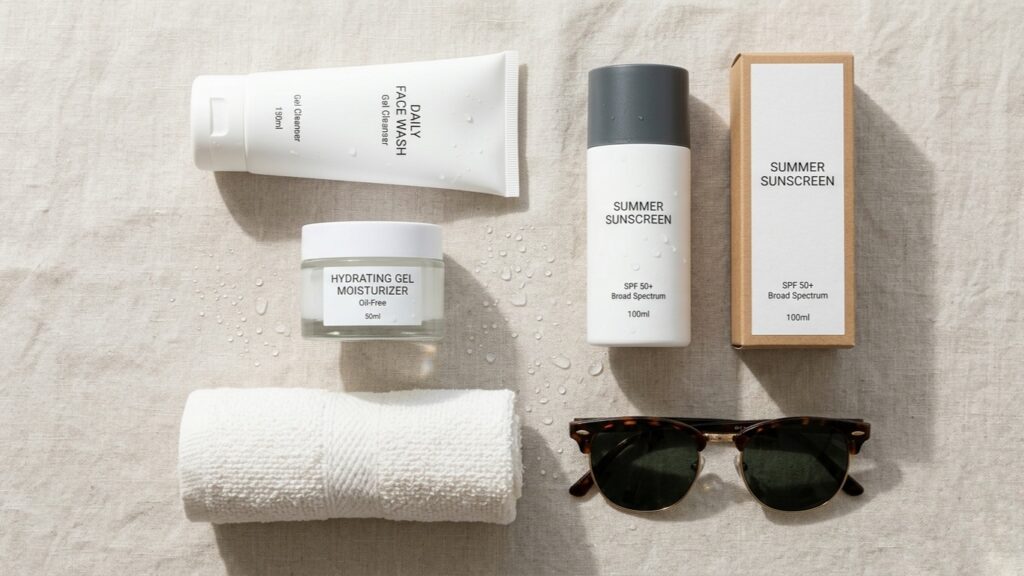
A simple summer skincare routine for men has three parts: a gentle cleanser used once or twice a day (plus a rinse after heavy sweating), a lightweight, oil-free moisturizer in place of a heavier winter formula, and a broad-spectrum SPF 30+ sunscreen reapplied every two hours or immediately after sweating. The product changes more than the step count does.
- Cleanse: gentle formula, morning and night, plus a rinse after hard sweating
- Protect: broad-spectrum SPF 30+, water resistant, reapplied after sweat or swimming
- Hydrate: switch to an oil-free, non-comedogenic moisturizer
Why Summer Actually Changes Your Skin
“It’s hot out” isn’t specific enough to act on. What actually changes is that your skin produces more sweat and more oil, and that combination is good at carrying dirt, dead skin cells, and bacteria straight into your pores. That’s the mechanism behind most summer breakouts — not the temperature itself, but what ends up sitting on your skin because of it.
This matters because it explains why “just use less product” doesn’t fix anything. A heavy moisturizer or an occlusive sunscreen doesn’t become a problem because there’s more of it on your face in summer — it becomes a problem because it’s now trapping sweat and oil underneath it instead of just sitting on dry skin. The fix isn’t a smaller amount of the same product. It’s a different formula.
The Actual Routine: Same Three Steps, Different Products
1. Cleanse
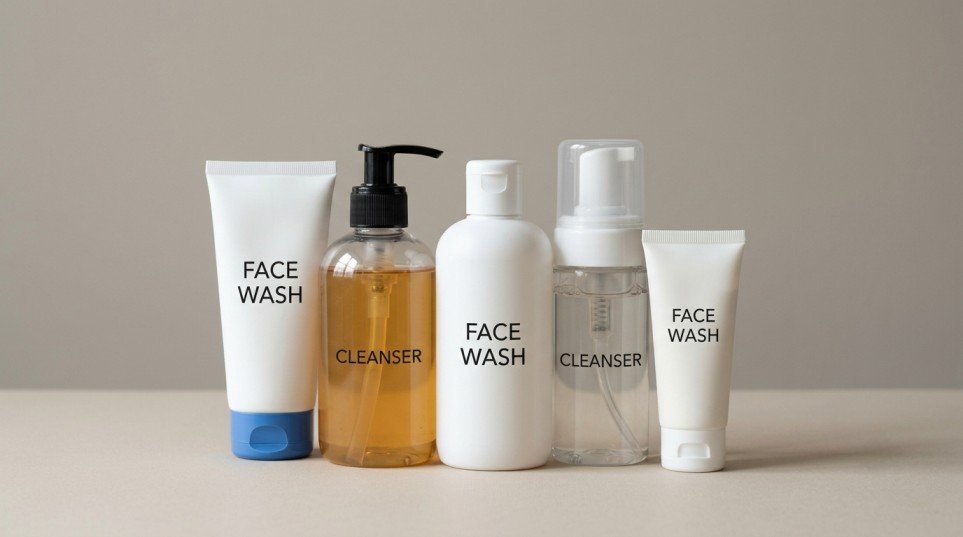
A gentle cleanser once in the morning and once at night is still the baseline. The summer-specific addition is a third rinse after anything that makes you sweat heavily — a workout, yard work, a long commute in the heat — rather than waiting for your next scheduled wash.
Skip the urge to scrub harder or wash more often than that: stripping the skin’s natural oils too aggressively can prompt it to produce more oil to compensate, which works against what you’re trying to fix.
If you’re not sure how your skin behaves at baseline, it’s worth checking how to find your skin type before you start swapping products, since “lightweight” means something different for naturally oily skin than it does for naturally dry skin.
2. Hydrate
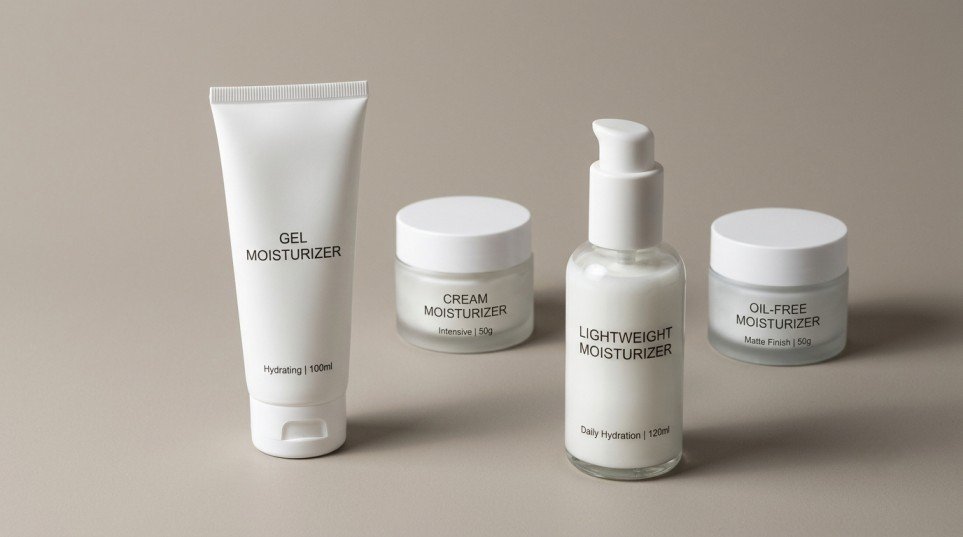
Swap a heavy, cream-based winter moisturizer for a gel or oil-free formula labeled non-comedogenic — meaning it’s formulated not to clog pores.
This isn’t about skipping moisturizer because your skin feels oilier; oily and dehydrated aren’t opposites, and skin that’s stripped of moisture often overcompensates with more oil.
The point of switching formulas is to keep the hydration without adding another layer that traps sweat against your skin.
3. Protect
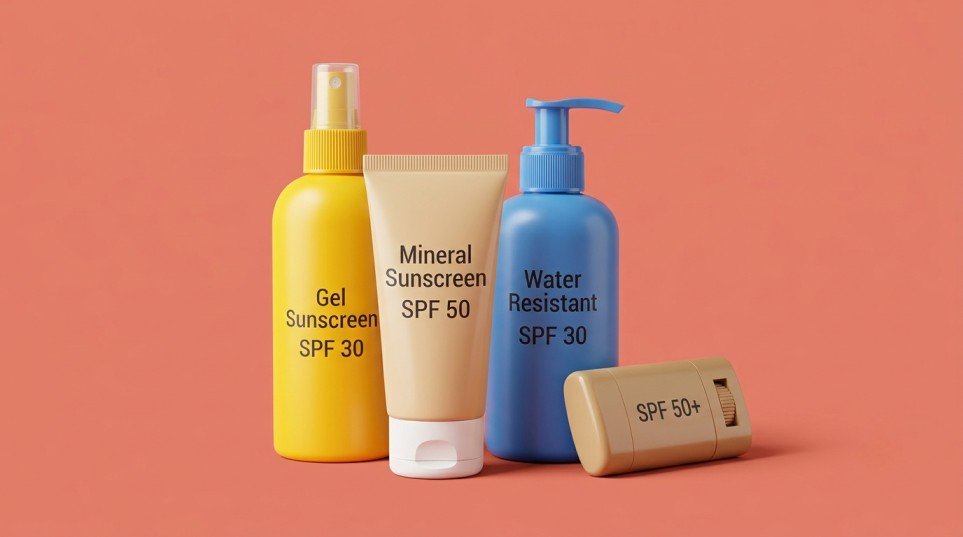
Use a broad-spectrum sunscreen, SPF 30 or higher, labeled water resistant. Most adults need about an ounce — roughly a shot glass — to cover exposed skin on the body, and about a teaspoon for the face alone.
Apply it around 15 minutes before you head outside so it has time to bind to your skin. Here’s the part most routines get wrong: reapplication isn’t only about the two-hour clock. It’s also about sweat.
Reapply every two hours and immediately after any session of heavy sweating or swimming, regardless of how much time has passed since your last application.
The Sweat Rule Almost Nobody Mentions: Blot, Don’t Wipe
If you wipe sweat off your face with your hand, a towel, or your shirt during the day, you’re probably making things slightly worse. Dermatologists point out that rubbing or wiping sweat away can irritate the skin, and irritated skin is more prone to breaking out. Blotting with a clean cloth does the same job without the friction.
The same logic applies to your gear, not just your skin. Sweaty towels, headbands, ball caps, and helmet padding hold onto oil and bacteria, and reusing them before a wash puts that residue straight back on your face. It’s a small habit most men have never thought about, and it’s an easy one to fix.
When Real Life Changes the Routine
The routine above covers most days. A few situations change it enough to be worth naming specifically.
1. Commuters and helmet riders
Twenty to forty minutes under a helmet or hood traps heat and sweat directly against your hairline and jawline — exactly the combination of friction, trapped sweat, and heat that dermatologists call acne mechanica when it leads to breakouts.
You don’t need a full face wash the second you take the helmet off, but blotting the hairline and jaw before that sweat sits for hours makes a real difference. Wash helmet padding on a regular schedule, not just when it starts to smell.
2. Gym-goers
Sweat that gets trapped in skin folds or under tight, rubbing clothing can block sweat ducts and cause heat rash — small, itchy bumps that show up in exactly those friction zones. Heavy or oily products applied to areas that already sweat and rub against gym clothing can make this worse by blocking pores further.
Shower reasonably soon after training, and keep the products you use on your chest, back, and shoulders as light as the ones on your face.
3. Office workers moving between AC and heat
This one’s counterintuitive: air conditioning dries out skin regardless of how humid it is outside, so your evening moisturizer may still need to be a touch richer than “summer light,” even while your daytime product stays oil-free.
If you’re noticing an oily T-zone by afternoon but tight, dry cheeks by evening, that’s the AC talking, and it’s a pattern worth reading about in the combination skincare routine guide, since that’s essentially what’s happening to your face.
4. Outdoor workers
UV exposure is strongest between 10 a.m. and 2 p.m. If getting to a sink to reapply sunscreen every two hours isn’t realistic on the job, keeping a stick or spray sunscreen at your worksite removes that friction.
A brimmed hat isn’t a redundant extra step here — it physically blocks UV rather than relying on you remembering to reapply on schedule.
If You Use a Retinoid or Exfoliating Acid
You don’t need to pause a retinoid or an acid-based exfoliant for the summer. What changes is how strict you need to be about morning sunscreen.
These ingredients speed up skin cell turnover, which leaves a thinner, more UV-reactive layer on the surface — so skipping SPF the morning after using one is a faster route to a sunburn than skipping it on a day you didn’t use anything.
Keep the product in your routine; just don’t treat sunscreen as optional the next morning.
The Detail Almost No Men’s Skincare Article Mentions: Your Beard
A beard is not sunscreen.
Research measuring the ultraviolet protection factor of facial hair found it ranges roughly from 2 to 21 depending on thickness and color — meaning a light or patchy beard might block as little as half of UV rays, while only a genuinely dense, dark beard gets close to strong protection. Stubble offers even less.
There’s a second reason this matters beyond sunburn:
skin under facial hair is harder to keep an eye on. Dermatologists have flagged that skin cancers hidden under a beard often go unnoticed longer than they would on bare skin, simply because they’re harder to see day to day.
The practical takeaway isn’t to shave — it’s to actually apply sunscreen to the skin underneath your beard or stubble rather than assuming the hair has it covered.
A chemical (rub-in, rather than mineral) sunscreen worked in with your fingers or a beard comb reaches the skin more easily than a formula that sits on top of the hair.
Myth vs Fact
| Myth | Fact |
|---|---|
| Oily or sweaty skin doesn’t need moisturizer in summer. | Skipping moisturizer doesn’t reduce oil — it can encourage skin to produce more to compensate. The fix is a lighter, oil-free formula, not no formula. |
| A higher SPF number means you can go longer between reapplications. | Reapplication timing is driven by time and sweat exposure, not the SPF number. Every two hours, or immediately after heavy sweating or swimming, applies whether you’re wearing SPF 30 or SPF 70. |
| Wiping sweat off your face keeps your skin clear. | Wiping or rubbing sweat away can irritate skin and contribute to breakouts. Blotting does the job without the extra friction. |
| A thick, dark beard means you don’t need sunscreen underneath it. | Even dense beards only block an estimated 50 to 95 percent of UV rays, and lighter or patchier beards block far less. Dermatologists still recommend applying sunscreen to skin under facial hair. |
Quick Action Checklist
- Swap your heavy winter moisturizer for a lightweight, oil-free, non-comedogenic one
- Use a broad-spectrum SPF 30+, water-resistant sunscreen; reapply every two hours and immediately after heavy sweating or swimming
- Blot sweat with a clean cloth instead of wiping or rubbing it away
- Rinse or at least blot your hairline, chest, and back soon after heavy sweating, rather than waiting for your next full wash
- Wash sweaty towels, headbands, and helmet padding before reusing them
- Apply sunscreen to the skin under your beard or stubble, not just what’s visible
- Keep using a retinoid or acid if it’s working, but don’t skip sunscreen the morning after
- If your skin feels dry despite the heat, check your AC and pool exposure before assuming you need more moisturizer
Conclusion
A summer routine that actually works isn’t a longer one. It’s the same three steps aimed at a different problem: sweat that carries oil and bacteria into your pores, and sun exposure that lasts longer and comes at you from more angles than it does in winter. Most men who struggle with their skin in summer aren’t being careless — they’re running a routine built for a different season and wondering why it stopped working.
Frequently Asked Questions
Can I skip sunscreen on cloudy summer days?
No. Up to 80 percent of the sun’s UV rays can pass through cloud cover, so a gray sky doesn’t mean you’re protected. Treat overcast days the same as sunny ones.
Do I need a separate summer moisturizer, or can I just use less of my regular one?
Using less doesn’t change the formula — a heavy, occlusive moisturizer traps sweat and oil against your skin whether you apply a thin layer or a thick one. Switching to a lightweight, oil-free formula addresses the actual problem; reducing the amount of a heavy one doesn’t.
Why does my skin feel dry in summer even though it’s hot and humid outside?
Air conditioning, sun exposure, and pool chlorine are the more likely culprits, not a lack of ambient humidity. If that’s your pattern, it’s worth a look at a dry skincare routine for how to manage it without over-moisturizing during the day.
Should I stop using a retinoid or exfoliating acid in summer?
Not necessarily. The ingredient itself isn’t the issue — the issue is that it leaves skin more reactive to UV, so morning sunscreen becomes non-negotiable rather than optional while you’re using it.
Is switching my body wash actually necessary, or is a face-focused routine enough?
It depends on where you’re breaking out. If sweat and friction are causing bumps on your back, chest, or shoulders — areas covered by clothing most of the day — those areas often need the same non-comedogenic approach as your face, even though the skin there is thicker. A guy whose face runs oily but skips this on his back is often surprised that “bacne” doesn’t respond to a better face routine alone. Guys whose skin runs oily across the board may get more out of a dedicated oily skincare routine than a general summer adjustment.
Authoritative Sources
- American Academy of Dermatology, “How to Apply Sunscreen”
- American Academy of Dermatology, “12 Summer Skin Problems You Can Prevent”
- American Academy of Dermatology, “Sunscreen FAQs”
- Mayo Clinic, “Heat Rash — Symptoms and Causes”
- The Skin Cancer Foundation, “Men: What’s Under That Beard?”