Quick Summary
Hair fall in men can happen for many reasons, from stress and poor nutrition to scalp problems, damaging hair-care habits, and genetic hair loss. The important thing is to understand what kind of hair loss you’re dealing with, because temporary shedding and progressive hair loss don’t have the same causes or solutions.
This guide breaks down the most common causes of hair fall, what you can actually do to reduce unnecessary shedding, how long it can take to see improvement, and when persistent hair loss is a reason to see a dermatologist.
Seeing more hair than usual on your pillow, in the shower, or on your comb can be worrying. But increased shedding doesn’t automatically mean you’re going bald.
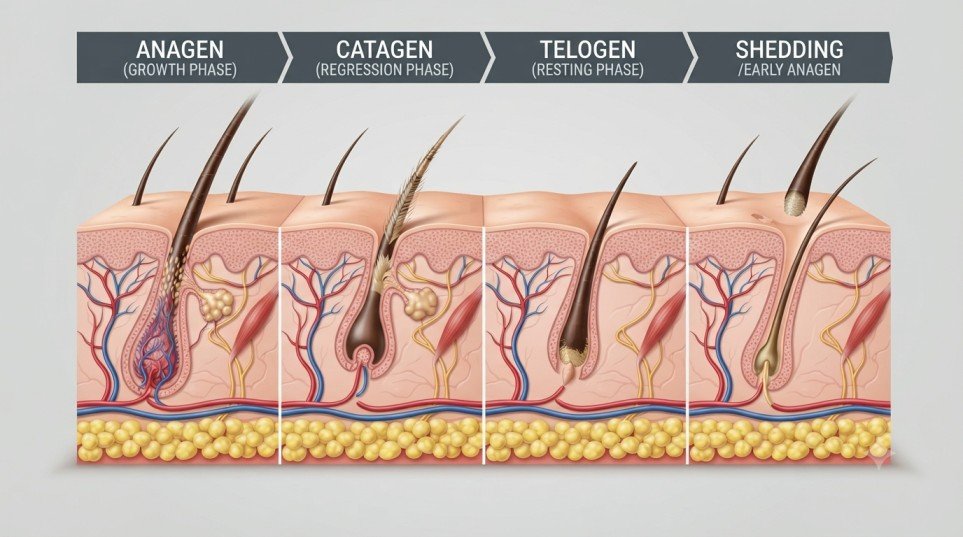
Hair naturally goes through cycles of growth, rest, and shedding. The problem is when you start losing noticeably more hair than usual, or when the pattern of hair loss begins to change. Stress, illness, nutritional problems, scalp conditions, hair-care habits, and genetic hair loss can all play a role.
So if you’re wondering how to stop hair fall in men, the first step isn’t buying another hair-loss product. It’s figuring out why the shedding is happening.
This guide looks at the common causes of excessive hair fall, what actually helps, how long you can reasonably expect it to take, and when it’s time to get professional advice.
Table Of Contents
What Is Hair Fall in Men?
Hair fall refers to the shedding of hair from the scalp. Losing some hair every day is normal because individual hairs naturally move through different stages of growth, rest, and shedding.
The concern begins when you notice a clear and sustained increase in shedding, visible thinning, a receding hairline, or distinct bald patches. Temporary shedding can happen after stress, illness, nutritional problems, or other changes in the body, while gradual thinning can also be caused by genetic hair loss.
That distinction matters because the right way to manage hair fall depends on what is causing it in the first place.
Start Here: What to Do If You’re Suddenly Losing More Hair
If you’ve noticed a sudden increase in shedding, don’t change five products at once. Start by looking for a recent trigger.
Think back over the previous few months. Have you been under unusual stress, had a significant illness or fever, changed your diet, lost weight, started a new medication, or developed an itchy, flaky, or irritated scalp? These details can help narrow down what may be behind the increased shedding.
For now, keep your routine simple. Use a gentle shampoo suited to your scalp, avoid aggressive brushing or heat styling, and make sure your diet provides enough protein and overall nutrition.
Most importantly, pay attention to the pattern. Temporary shedding often looks different from gradual thinning at the temples, crown, or hairline. If you’re seeing persistent shedding, visible thinning, or distinct bald patches, it’s better to identify the cause before trying random hair-loss products.
Why Your Hair Is Falling Out More Than Usual
Before trying to stop hair fall, it helps to understand what may be causing the change. Hair shedding can increase for several reasons, and sometimes more than one factor is involved.
A period of significant stress or illness can temporarily push more hairs into the shedding phase. Nutritional problems, scalp conditions, damaging hair-care habits, certain medications, and hormonal or genetic factors can also contribute to hair loss.
The pattern matters too. Diffuse shedding across the scalp can have different causes from gradual thinning at the temples or crown, while sudden bald patches need a different approach altogether.
The goal, therefore, isn’t simply to make the shedding stop. It’s to identify what has changed, address the likely trigger when one is present, and recognize when the pattern suggests something that needs professional evaluation.
Here are some of the more common reasons men experience increased hair fall.
The Most Common Causes of Excessive Hair Fall in Men
1. Stress-Related Hair Fall: Why You’re Shedding More After a Tough Period
A period of significant physical or emotional stress can trigger a type of temporary hair shedding called telogen effluvium. It can happen after major stress, illness, surgery, rapid weight loss, or other substantial changes that place stress on the body.
The confusing part is the timing. The increased shedding often becomes noticeable weeks to a few months after the original trigger, so you may not immediately connect the two.
With telogen effluvium, more hairs than usual enter the resting phase of the hair cycle and are later shed. The follicles themselves are not permanently destroyed, which is why shedding often improves once the underlying trigger has passed and the hair cycle returns to its normal pattern.
What You Can Do
Focus on recovery rather than trying to treat the shedding with a new product every few weeks. Get adequate sleep, eat a balanced diet with enough protein and calories, stay physically active, and address the source of ongoing stress where possible.
If the shedding continues for several months, becomes severe, or is accompanied by visible thinning or other symptoms, speak with a dermatologist to make sure another cause is not being overlooked.
2. Diet and Hair Fall: How What You Eat Can Affect Shedding
Your hair needs a steady supply of nutrients to grow normally. When your diet is consistently lacking in calories, protein, iron, or certain other nutrients, hair growth can be affected and increased shedding may occur.
This is more likely when you have been eating very restrictively, losing weight quickly, following a highly limited diet, or otherwise struggling to meet your nutritional needs.
Some nutrients deserve particular attention:
Iron: Low iron stores can be associated with increased hair shedding, particularly when there is an underlying iron deficiency.
Protein: Hair is largely made of keratin, a protein. Consistently inadequate protein intake can affect normal hair growth.
Zinc: Zinc plays a role in normal cell growth and tissue repair, and deficiency can contribute to hair loss.
Vitamin D: Low vitamin D levels are associated with several types of hair loss, although the relationship is not always straightforward and low vitamin D does not automatically mean it is the cause of your shedding.
What You Can Do
Start with your diet rather than a high-dose hair supplement. Aim for enough protein and a varied diet that provides iron, zinc, vitamin D, and other essential nutrients.
If your hair shedding is persistent, you have symptoms of a nutritional deficiency, or your diet has been significantly restricted, speak with a doctor about whether testing is appropriate. Do not start high-dose supplements simply because you are losing hair—correcting a confirmed deficiency is more appropriate than supplementing blindly.
3. Scalp Health and Hair Fall: Why a Healthy Scalp Matters
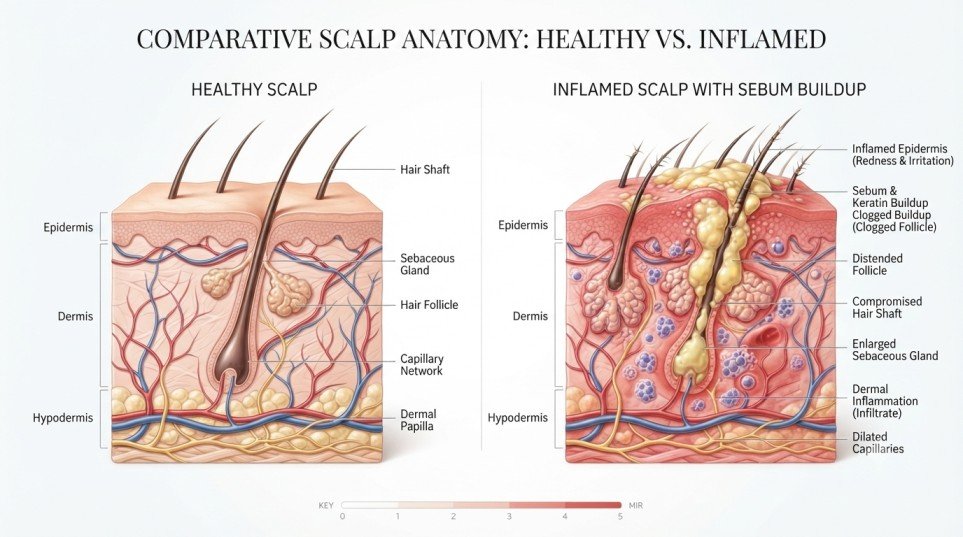
Your scalp plays an important role in maintaining healthy hair. Conditions that cause persistent inflammation, itching, flaking, or irritation can affect the scalp environment and may contribute to increased shedding or hair breakage.
Common examples include dandruff, seborrheic dermatitis, psoriasis, and irritation caused by certain hair products. If your scalp is frequently itchy, red, flaky, or uncomfortable, treating the underlying problem is more useful than simply washing your hair more often.
An oily scalp is not automatically an unhealthy scalp, either. Sebum is a normal part of the scalp’s protective barrier. The right washing frequency depends on how oily your scalp becomes, how much you sweat, your hairstyle, and the products you use.
Understanding why your hair gets greasy so quickly can also help you choose a better washing routine, especially if excess oil is accompanied by buildup or scalp discomfort.
What You Can Do
Wash your hair regularly with a shampoo that suits your scalp and hair type. If you have persistent dandruff, itching, or inflammation, an anti-dandruff shampoo containing an appropriate active ingredient may help, but the choice should match the underlying condition.
If scalp symptoms continue despite consistent care, or you develop significant redness, pain, scaling, or areas of hair loss, see a dermatologist rather than repeatedly switching shampoos.
How often you should wash your hair also depends on your scalp type. Washing too rarely can allow oil and product buildup to accumulate, while overly frequent washing with a harsh shampoo can leave the scalp dry and irritated.
4. How Your Styling Habits Can Make Hair Fall Worse
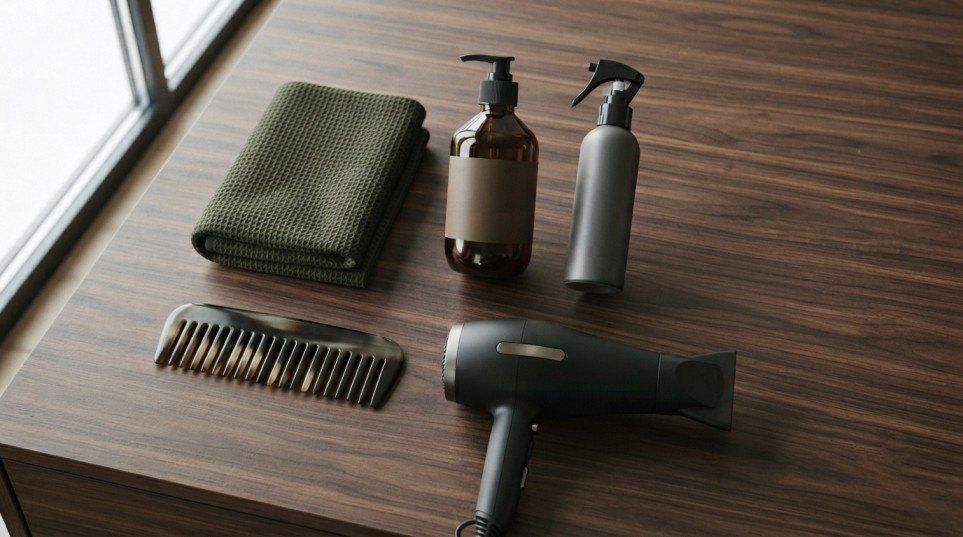
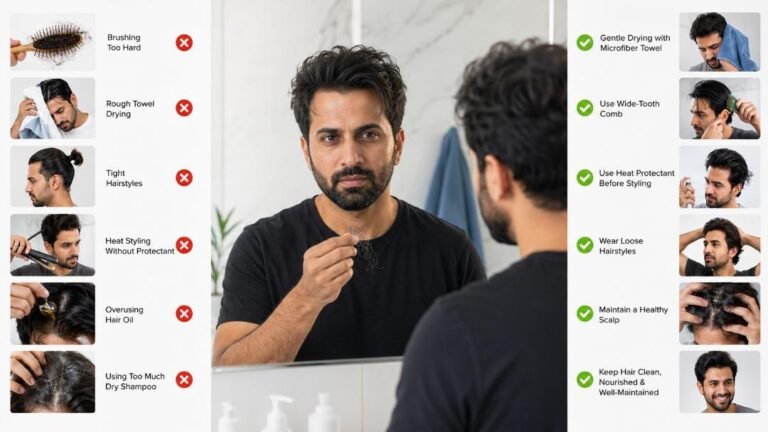
Not all hair that looks like it is “falling out” is actually being shed from the follicle. Repeated heat, friction, pulling, and rough handling can damage the hair shaft, leading to breakage and making your hair look thinner or less dense.
Common sources of damage include frequent heat styling, brushing or combing aggressively, rubbing wet hair with a rough towel, and wearing hairstyles that pull tightly on the hair. Repeated tension can also contribute to traction alopecia, particularly when tight styles are worn regularly over a long period.
What You Can Do
- Let your hair dry partially before brushing and handle wet hair gently.
- Pat your hair dry with a soft towel instead of rubbing it aggressively.
- Keep heat styling to a minimum and use a heat-protective product when using hot tools.
- Avoid hairstyles that repeatedly pull tightly on the hairline or scalp.
- If you notice thinning or broken hairs around areas that are regularly pulled or styled, change the habit early rather than waiting for the problem to worsen.
5. Seasonal Hair Fall: Is It Really a Thing?
Some people notice that they shed more hair during certain times of the year. Research has found seasonal patterns in hair shedding, but the timing and extent can vary, and seasonal changes are not necessarily the explanation for persistent or significant hair loss.
If you notice a temporary increase in shedding around the same time each year and your hair density remains stable, it may simply reflect a change in the hair-growth cycle. But don’t automatically blame the season if the shedding is new, unusually heavy, or accompanied by visible thinning.
Other factors can overlap with seasonal changes too, including stress, illness, changes in diet, or shifts in your daily routine.
What You Can Do
If the shedding is mild and settles on its own, continue a consistent hair-care routine and monitor the overall pattern rather than counting every strand.
If shedding remains noticeably higher than usual for several months, your hair is becoming visibly thinner, or you develop a receding hairline or bald patches, speak with a dermatologist to look for a more specific cause.
6. How to Wash Your Hair Without Unnecessary Damage
How you wash your hair can affect the condition of both your scalp and hair. But washing itself does not normally cause hair loss. The bigger problems are harsh products, aggressive scrubbing, excessive heat, and rough handling of wet hair.
Your ideal washing frequency depends on your scalp and hair type. If your scalp becomes oily quickly or you exercise frequently, you may need to wash more often. If your scalp is dry, washing less frequently with a gentle shampoo may be more comfortable.
What You Can Do
Use lukewarm water and massage shampoo gently into the scalp with your fingertips rather than scratching with your nails. Rinse thoroughly and avoid aggressive rubbing when drying your hair.
Apply conditioner mainly to the lengths and ends if your hair tends to become dry or damaged. If your scalp is particularly dry or your conditioner is specifically formulated for scalp use, follow the product directions instead.
If you regularly use styling products, make sure they are thoroughly washed out rather than allowing heavy buildup to accumulate.
The goal isn’t to follow a fixed washing schedule. Wash often enough to keep your scalp comfortable and clean without repeatedly irritating or drying it out.
Hair Fall Recovery Timeline: What to Realistically Expect
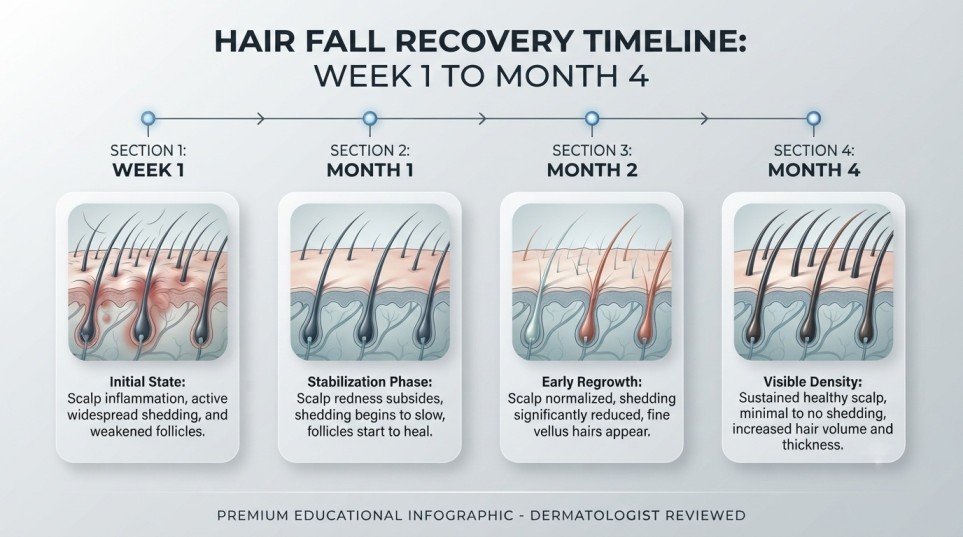
Hair shedding rarely improves overnight. Even after the underlying trigger has been addressed, the hair-growth cycle needs time to return to its usual pattern.
If the shedding is related to a temporary trigger such as significant stress, illness, or a nutritional deficiency, the trigger may need to be corrected first before you notice a meaningful change in shedding. With telogen effluvium, shedding can continue for a while even after the original trigger has passed.
Visible regrowth takes longer. New hairs need time to grow enough to become noticeable, so improvements in hair density can take several months rather than a few weeks.
There is no single 90-day rule that applies to every type of hair fall. The timeline depends on the cause, how long the trigger lasted, and whether the hair follicles themselves are affected.
If your shedding remains noticeably increased for several months, your hair is becoming visibly thinner, or you are not seeing improvement after addressing a suspected trigger, it is worth getting the cause evaluated rather than simply waiting longer.
Common Myths vs Facts About Hair Fall
| Myth | Fact |
|---|---|
| Seeing more hair in the shower means you’re going bald. | Not necessarily. Daily shedding is normal, and temporary increases in shedding can happen after stress, illness, or other triggers. |
| Washing your hair causes hair fall. | Normal washing does not cause permanent hair loss. Hair that was already in the shedding phase may simply come out during washing. |
| Cutting your hair makes it grow back thicker. | Cutting hair does not change the size, number, or growth rate of the hair follicles. It can only make the ends look fuller temporarily. |
| Hair supplements can stop hair fall even if you aren’t deficient. | Supplements are most useful when they correct a confirmed nutritional deficiency. Taking high doses without a known deficiency can be unnecessary and, with some nutrients, harmful. |
| All hair fall is caused by stress or poor diet. | No. Hair loss can also result from genetic factors, scalp conditions, medications, hormonal changes, and other medical causes. |
| If hair fall is temporary, you should just wait for it to stop. | Temporary shedding often improves once the trigger is addressed, but persistent shedding, visible thinning, or bald patches should be evaluated rather than ignored. |
When Hair Fall Becomes Something More Serious
Not every episode of increased shedding needs medical treatment, but some patterns deserve a closer look. The sooner you identify the cause, the easier it can be to choose the right approach.
Consider seeing a dermatologist if you notice:
- Hair shedding that remains noticeably higher than usual for several months
- Gradual thinning around the temples, hairline, or crown
- Sudden, clearly defined bald patches
- Scalp redness, pain, severe itching, scaling, or other persistent symptoms
- Hair loss accompanied by unexplained fatigue, significant weight changes, or other changes in your general health
- Continued thinning despite addressing an obvious trigger such as recent illness, major stress, or a significant dietary change
A dermatologist can examine your scalp and hair-loss pattern and determine whether further testing or treatment is appropriate. This is particularly important when the cause isn’t obvious or the pattern suggests genetic or another medical form of hair loss.
Quick Action Checklist
- Look for a recent trigger such as significant stress, illness, rapid weight loss, or a major dietary change.
- Check whether you are experiencing diffuse shedding, gradual thinning, or distinct bald patches.
- Keep your diet balanced and make sure you are getting enough protein and overall nutrition.
- Wash your hair according to your scalp type instead of following a fixed schedule.
- Treat persistent dandruff, itching, redness, or scalp irritation rather than ignoring it.
- Reduce excessive heat, tight hairstyles, aggressive brushing, and rough towel drying.
- Avoid starting high-dose hair supplements without a confirmed deficiency or medical advice.
- Give temporary shedding time to settle after addressing a likely trigger.
- Monitor the overall pattern of hair loss rather than focusing on individual hairs in the shower or on your comb.
- See a dermatologist if shedding persists, your hair is visibly thinning, or you develop sudden bald patches or significant scalp symptoms.
Conclusion
Hair fall in men isn’t always a sign of permanent hair loss. Temporary shedding can follow stress, illness, nutritional problems, scalp issues, or changes in your routine, while gradual thinning can have genetic or other underlying causes.
The most useful first step is to look at the pattern and think about what may have changed before the shedding started. From there, focus on the basics: maintain a balanced diet, care for your scalp, avoid unnecessary hair damage, and give your hair enough time to respond.
Don’t judge progress after a few days or weeks. Hair growth happens slowly, and recovery depends on the underlying cause. If shedding continues, your hair is becoming visibly thinner, or you notice bald patches or persistent scalp symptoms, a dermatologist can help identify what’s actually happening and whether treatment is needed.
Frequently Asked Questions
How much hair fall per day is normal for men?
Losing around 50–100 hairs a day is often considered within the normal range, although the exact amount varies from person to person. A noticeable and sustained increase in shedding is more important than counting individual hairs.
What is the most common cause of hair fall in men?
There isn’t one single cause. Temporary shedding can follow significant stress, illness, nutritional problems, or other triggers, while gradual thinning is often related to genetic hair loss. The pattern and timing of the hair loss help determine the likely cause.
Can hair fall be stopped without seeing a doctor?
Sometimes. If shedding is related to a temporary trigger such as significant stress, illness, or a nutritional problem, addressing that trigger may be enough for the shedding to improve. However, persistent shedding, visible thinning, or bald patches should be evaluated rather than treated indefinitely at home.
Does stress really cause hair fall in men?
Yes. Significant physical or emotional stress can trigger telogen effluvium, a form of temporary shedding. The increase in shedding often becomes noticeable weeks to a few months after the stressful event rather than immediately.
Does hair grow back after excessive shedding?
Often, yes, when the underlying cause is temporary and the follicles remain healthy. However, regrowth depends on the cause of the hair loss, so persistent or progressive thinning should be assessed rather than assumed to be temporary.
Can diet make hair fall worse?
Yes. A diet that is consistently low in calories, protein, iron, or certain other nutrients can contribute to hair shedding when it leads to a nutritional deficiency or inadequate intake. A balanced diet is important, but taking supplements without a confirmed deficiency is not a reliable way to prevent hair loss.
Is it normal to lose more hair in the shower?
Yes. Washing can loosen hairs that were already in the shedding phase, making them more noticeable at once. The amount you see in the shower is less important than whether your overall shedding or hair density has changed noticeably over time.
Authoritative Sources
- American Academy of Dermatology Association (AAD). Hair Loss: Who Gets and Causes
- National Health Service (NHS). Hair Loss
- Mayo Clinic. Hair Loss: Symptoms and Causes
- Cleveland Clinic. Hair Loss (Alopecia): Causes, Symptoms & Treatment
- National Library of Medicine (PubMed). Telogen Effluvium: A Review